
Technology in the Modern Era: How Innovation Is Reshaping the World
Technology has moved beyond being a support system for human activity—it now actively shapes how societies function, economies grow, and individuals live. From intelligent machines to connected cities, modern technology is evolving at a pace that demands both understanding and responsibility.
This article explores the most influential technological domains, their real-world applications, and what lies ahead in the coming years.
The Evolution of Technology in Everyday Life
Over the past two decades, technology has transitioned from desktop-based tools to ubiquitous, always-connected systems. Smartphones, cloud platforms, and automation tools have become extensions of human capability rather than optional utilities.
Key changes include:
- Seamless digital communication across borders
- Automation of repetitive personal and professional tasks
- Instant access to global information and services
These shifts have redefined productivity, education, healthcare, and entertainment.
Artificial Intelligence: From Tools to Decision-Makers
Artificial Intelligence (AI) is no longer limited to data analysis or chatbots. It now powers decision-making systems across industries.
Practical Applications of AI
- Healthcare: Early disease detection and personalized treatment plans
- Finance: Fraud detection and algorithmic trading
- Business: Customer behavior prediction and process automation
AI’s growing autonomy raises important questions about ethics, transparency, and accountability, making governance as crucial as innovation.
The Rise of Quantum Computing
Quantum computing represents a fundamental shift from classical computing by leveraging quantum bits (qubits) instead of binary bits.
Why Quantum Computing Matters
- Solves problems traditional computers cannot handle efficiently
- Accelerates research in chemistry, materials science, and cryptography
- Potentially disrupts current encryption standards
Although still in early stages, quantum technology is expected to redefine computational limits within the next decade.
Cybersecurity in a Hyperconnected World
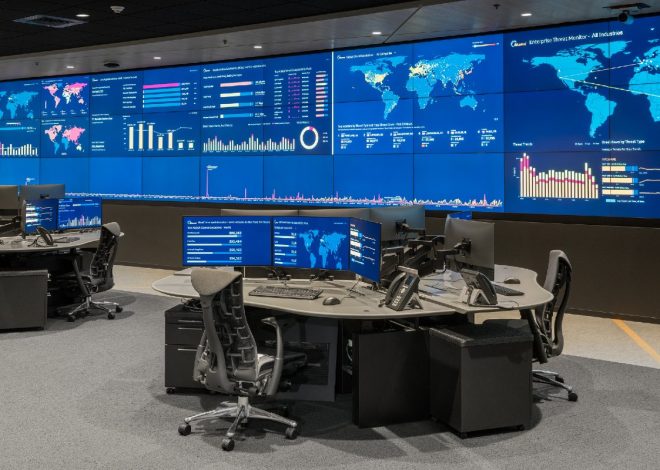
As digital systems expand, so do vulnerabilities. Cybersecurity has become a strategic priority, not just an IT concern.
Modern Cybersecurity Challenges
- Ransomware attacks on critical infrastructure
- Data breaches involving millions of users
- AI-powered cyber threats
Organizations are now adopting zero-trust architectures, biometric authentication, and real-time threat detection to stay resilient.
Smart Cities and the Internet of Things (IoT)
Smart cities integrate IoT devices, data analytics, and automation to improve urban living.
Core Benefits of Smart City Technology
- Optimized traffic and transportation systems
- Energy-efficient buildings and utilities
- Real-time environmental monitoring
These technologies aim to balance urban growth with sustainability and quality of life.
The Human Side of Technological Progress
While innovation drives efficiency, it also impacts employment, privacy, and mental well-being. The challenge lies in aligning technological advancement with human values.
Important considerations include:
- Reskilling workforces for automated environments
- Protecting digital privacy and data ownership
- Ensuring equitable access to technology
Responsible innovation ensures that progress benefits society as a whole rather than a select few.
The Road Ahead for Technology
The future of technology will be defined not only by faster systems or smarter machines, but by how consciously they are integrated into human life. Collaboration between policymakers, technologists, and communities will determine whether innovation becomes empowering or disruptive.
Frequently Asked Questions (FAQs)
1. How is technology influencing future job markets?
Technology is automating routine tasks while increasing demand for skills in data analysis, AI management, cybersecurity, and creative problem-solving.
2. Is artificial intelligence a threat to human decision-making?
AI enhances decision-making but should remain supervised. Human oversight is essential to manage bias, ethics, and accountability.
3. When will quantum computing become commercially available?
Limited commercial applications are emerging, but widespread use is likely still several years away due to technical complexity.
4. What makes cybersecurity more challenging today than before?
The scale of connected devices, remote work, and AI-driven attacks has significantly expanded the threat landscape.
5. How do smart cities protect citizen privacy?
Effective smart cities use encrypted data, anonymization, and transparent governance policies to safeguard personal information.
6. Can technology help address climate change?
Yes, through renewable energy systems, smart grids, climate modeling, and efficient resource management.
7. What skills are most important in a technology-driven future?
Critical thinking, adaptability, digital literacy, and ethical understanding of technology will be as important as technical skills.
If you’d like this article tailored for SEO, a specific audience, or a publication platform, just let me know.