The Convergence of Art and Technology: Exploring New Forms of Digital Creativity
Introduction
The merging of artistic expression with technological innovation has expanded creative possibilities beyond traditional boundaries. Today’s digital landscape empowers artists to craft immersive, interactive, and algorithm-driven works that redefine what creativity means in the modern era.
The Evolution of Digital Art
From Traditional Techniques to Digital Canvases
Artists have always embraced new tools, and digital mediums offer unprecedented freedom. Modern software and hardware allow creators to explore:
-
High-resolution digital painting
-
3D sculpting and modeling
-
Real-time rendering environments
These capabilities introduce new dimensions of flexibility, speed, and experimentation.
Generative Art and Algorithmic Creativity
Generative art uses code and algorithms to produce evolving visuals. With machine learning integrated into creative workflows, artists can develop systems that generate:
-
Complex patterns
-
Unique compositions
-
Dynamic animations
This method blends computational logic with human artistic direction, creating endlessly adaptable results.
Immersive Technologies and Artistic Expression
Virtual Reality as a Creative Universe
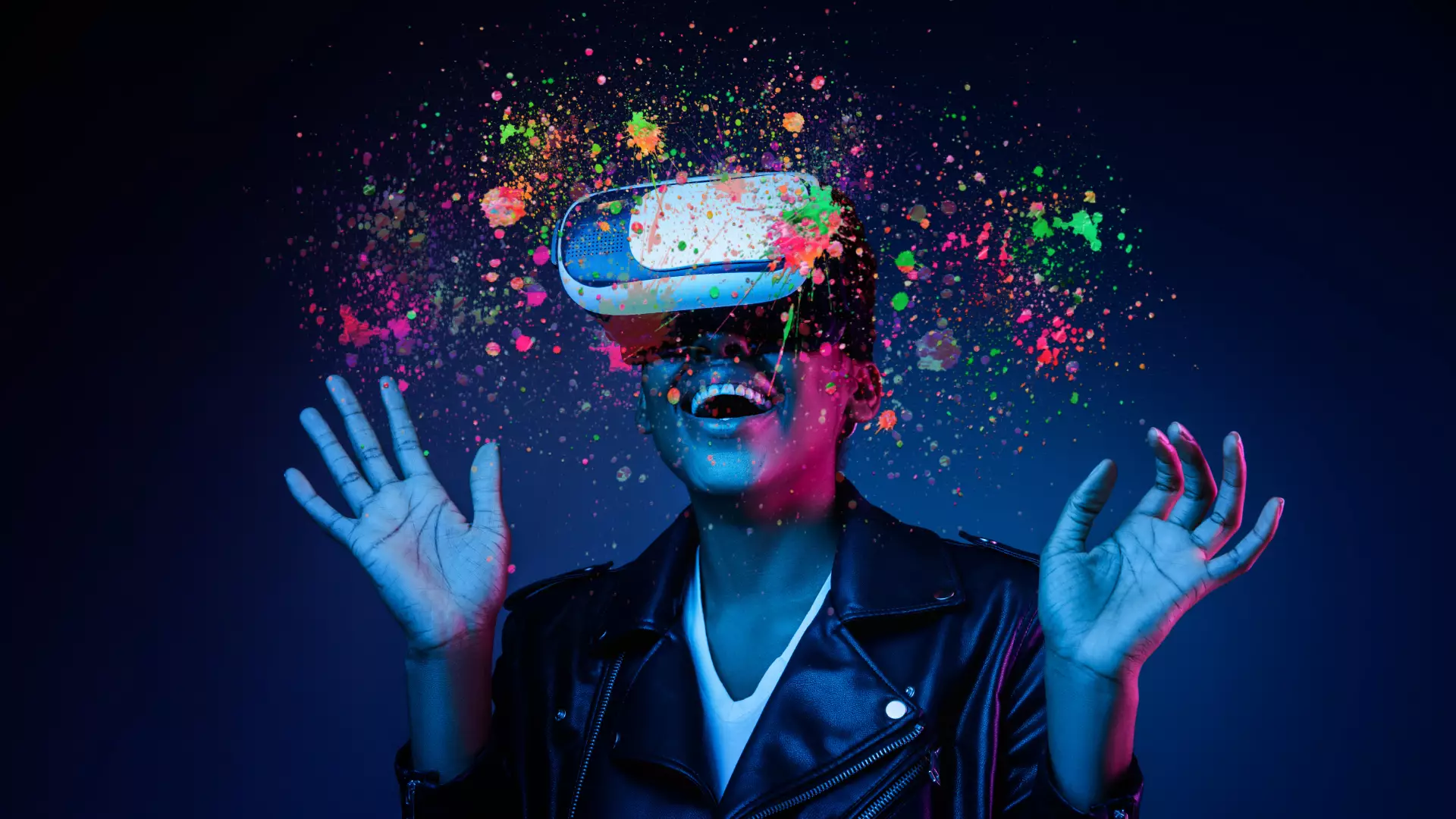
Virtual Reality enables artists to craft entire worlds inside a digital space. VR supports:
-
Three-dimensional painting
-
Virtual sculpting tools
-
Fully immersive exhibitions
This medium encourages audiences to experience art from within rather than as observers.
Augmented Reality and Interactive Environments
AR overlays digital visuals onto real-world settings. Artists use AR to transform museums, public spaces, and educational experiences into interactive canvases where the physical and digital realms coexist harmoniously.
Artificial Intelligence as a Creative Partner
AI-Enhanced Artistic Workflows
AI tools support innovation rather than replace human creativity. They help artists with:
-
Generating concept drafts
-
Style transfer and texture enhancement
-
Idea exploration and rapid prototyping
This collaboration allows creators to bring complex ideas to life faster and more effectively.
Ethical Questions and Creative Ownership
As AI-generated works become more common, debates arise around authorship, originality, and intellectual property. Ensuring responsible use of AI while respecting creative rights is increasingly essential for the digital art community.
Interactive and Experiential Art Forms
User-Driven Creative Experiences
Digital art increasingly encourages participation. Interactive installations can respond to motion, sound, or biometric input, allowing viewers to influence the artwork itself. This shifts the audience from passive observers to co-creators.
Multi-Sensory Artistic Storytelling
Artists now integrate sound, motion, and projection mapping to create immersive, multi-sensory narratives. These techniques make art more engaging, memorable, and emotionally rich.
Blockchain and NFTs: A New Model for Digital Ownership
Securing Creative Rights
Blockchain technology enables verifiable ownership of digital artworks. NFTs provide:
-
Provenance tracking
-
Direct artist-to-collector sales
-
Automated royalty systems
This protects creators while enabling new financial models for digital art.
Expanding Creative Markets
NFT platforms have attracted global communities of artists, developers, and collectors. These digital ecosystems support collaboration and innovation, unlocking opportunities beyond traditional gallery frameworks.
Conclusion
The convergence of art and technology is driving a powerful creative revolution. From immersive environments to AI-assisted workflows and decentralized ownership models, digital innovation enriches artistic expression rather than replacing it. As technology continues to evolve, the possibilities for creativity will expand even further, shaping the future of art in transformative ways.
FAQs
1. What defines digital creativity?
Digital creativity involves the use of technological tools—such as AI, VR, AR, and digital software—to produce, enhance, or transform artistic work.
2. How does AI influence modern art?
AI helps generate ideas, automate technical processes, and enable new forms of visual experimentation, expanding the creative potential of artists.
3. Why is VR important in digital art?
VR offers an immersive environment where artists can build three-dimensional artworks and viewers can explore them from within.
4. How do generative art systems work?
Generative art relies on algorithms or machine learning models to produce evolving visuals based on predefined rules or datasets.
5. What value do NFTs bring to artists?
NFTs allow creators to authenticate and monetize digital works while ensuring transparent ownership and royalties.
6. Can traditional artists benefit from digital tools?
Yes, digital tools complement traditional techniques by offering new methods for sketching, rendering, and experimenting with creative ideas.
7. What challenges come with merging art and technology?
Key challenges include ethical questions, accessibility issues, intellectual property concerns, and evolving standards of authenticity.